2026 Tile Trends & Installation Tips (Seattle)
Quick answer: 2026 tile is all about warmth, texture, and seamlessness — large-format porcelain with fewer grout lines, handmade zellige, earthy colors, and stone-look surfaces. But the trend is only half the story: what keeps tile from cracking or leaking is the installation system underneath — waterproofing membranes, uncoupling layers, leveling clips, and the right grout. Here’s what’s new, what actually matters, and the pro tips most homeowners never hear.
Key facts
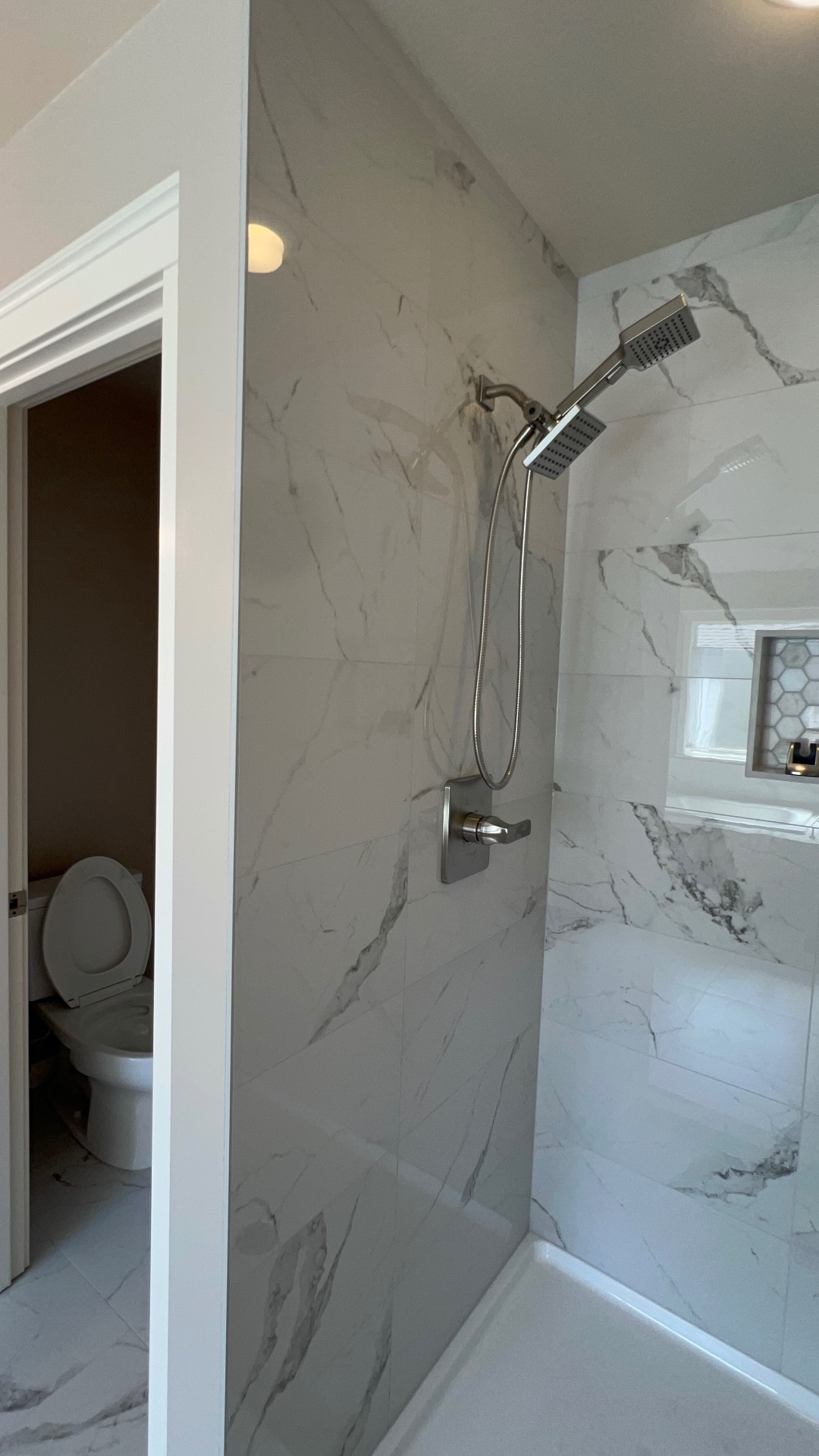
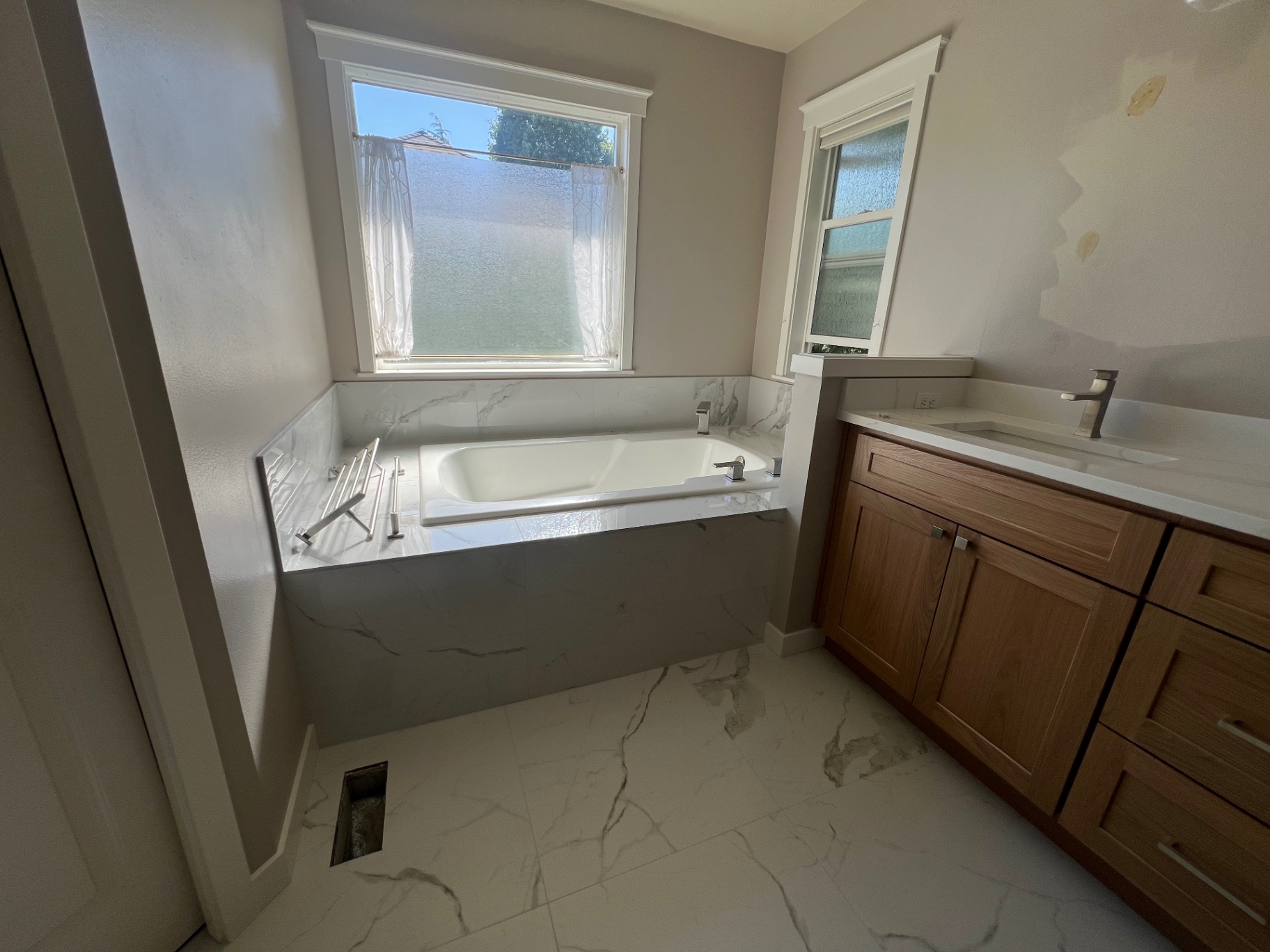
- Large-format porcelain (24×24, 24×48+) is the defining 2026 look — fewer grout lines, easier cleaning, a room that feels bigger.
- Warm, earthy tones and handmade zellige are replacing flat cool gray.
- The waterproofing system matters more than the tile in a shower — see why shower tile cracks in the Puget Sound.
- Epoxy/urethane grout is stain-proof and needs no sealing.
- Heated floors are cheapest to add while the floor is already open.
The tile trends defining 2026
A few clear directions are shaping kitchens and bathrooms this year:
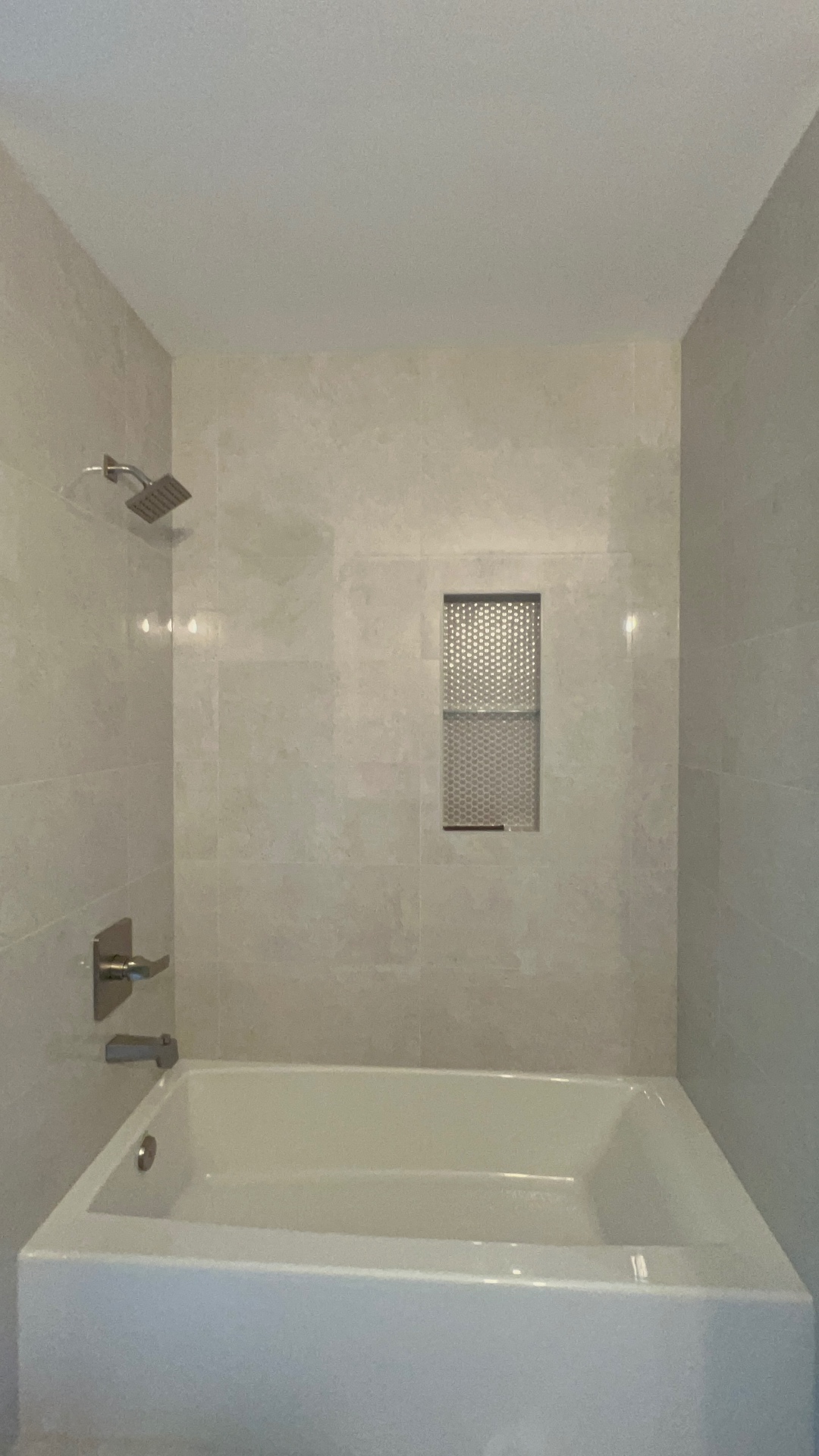
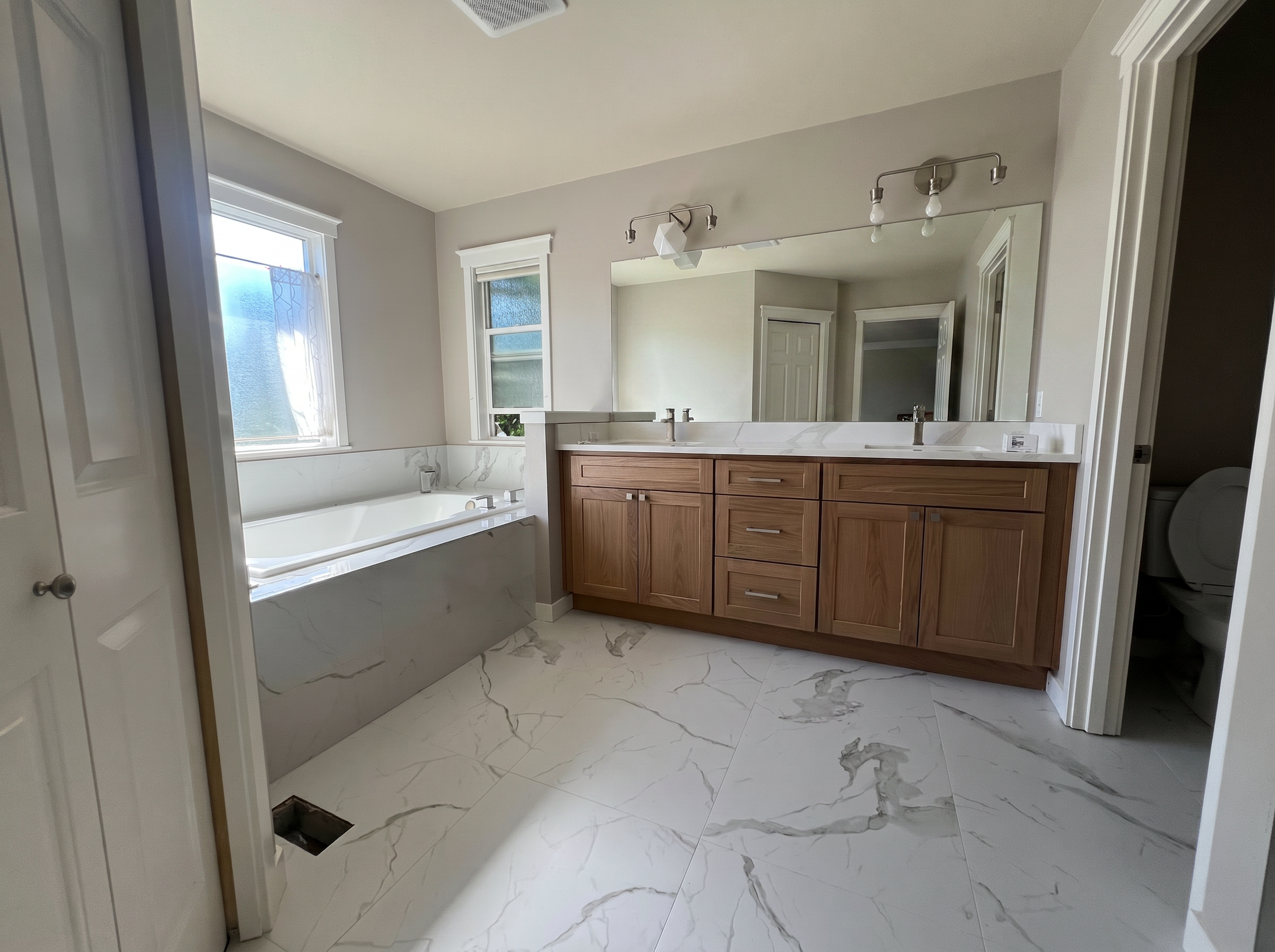
- Large-format tile and “tile drenching.” Big porcelain slabs with minimal grout lines are running floor-to-wall-to-shower for a continuous, spa-like surface that reads larger and cleans easier. On kitchen walls this has produced its own trend — see our 24×48 backsplash guide for the slab-look install spec.
- Zellige and handmade looks. Irregular Moroccan clay tiles shift with the light and add character no machine-made tile can match — perfect for a backsplash, niche, or shower wall.
- Warm, earthy, and jewel tones. Terracotta, sand, amber, and deep greens are in; cold gray and stark all-white are on the way out.
- Texture and fluted surfaces. Matte and 3D/fluted tile add depth, especially on feature walls, and hide water spots better than glossy.
- Stone-look porcelain and terrazzo. Porcelain that mimics marble, travertine, and limestone gives you the look with far better durability, and terrazzo (often with recycled content) is back on floors and backsplashes.
- Fresh layouts. Herringbone, vertical stacked, and slab backsplashes (running the counter material up the wall) are replacing the default staggered subway grid.
- Tonal grout. Matching grout to the tile for a near-seamless surface is a defining 2026 detail.
The installation innovations that matter more than the tile
Here’s what separates tile that still looks perfect in ten years from tile that cracks or leaks — and it’s usually invisible once the job is done:
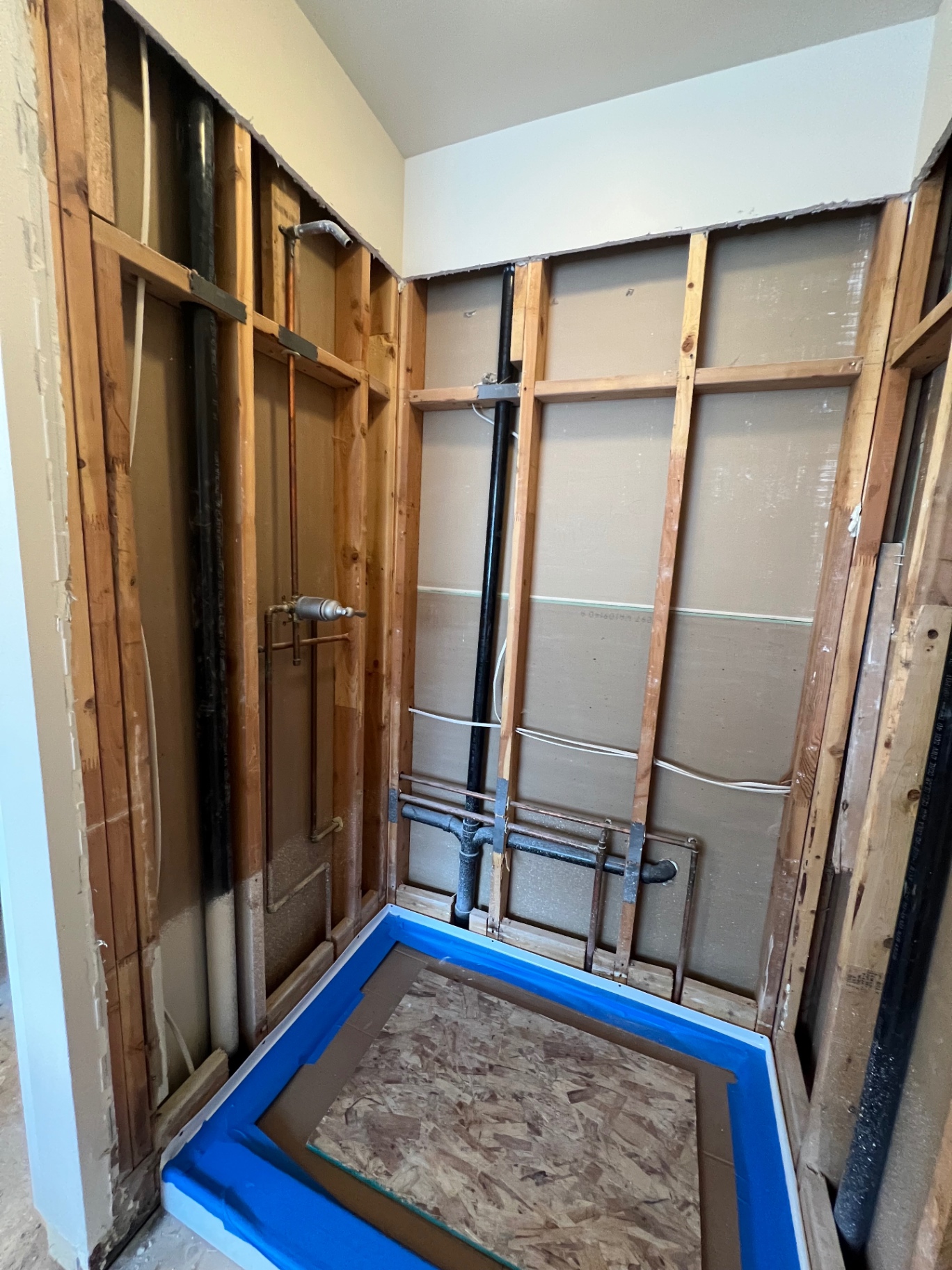
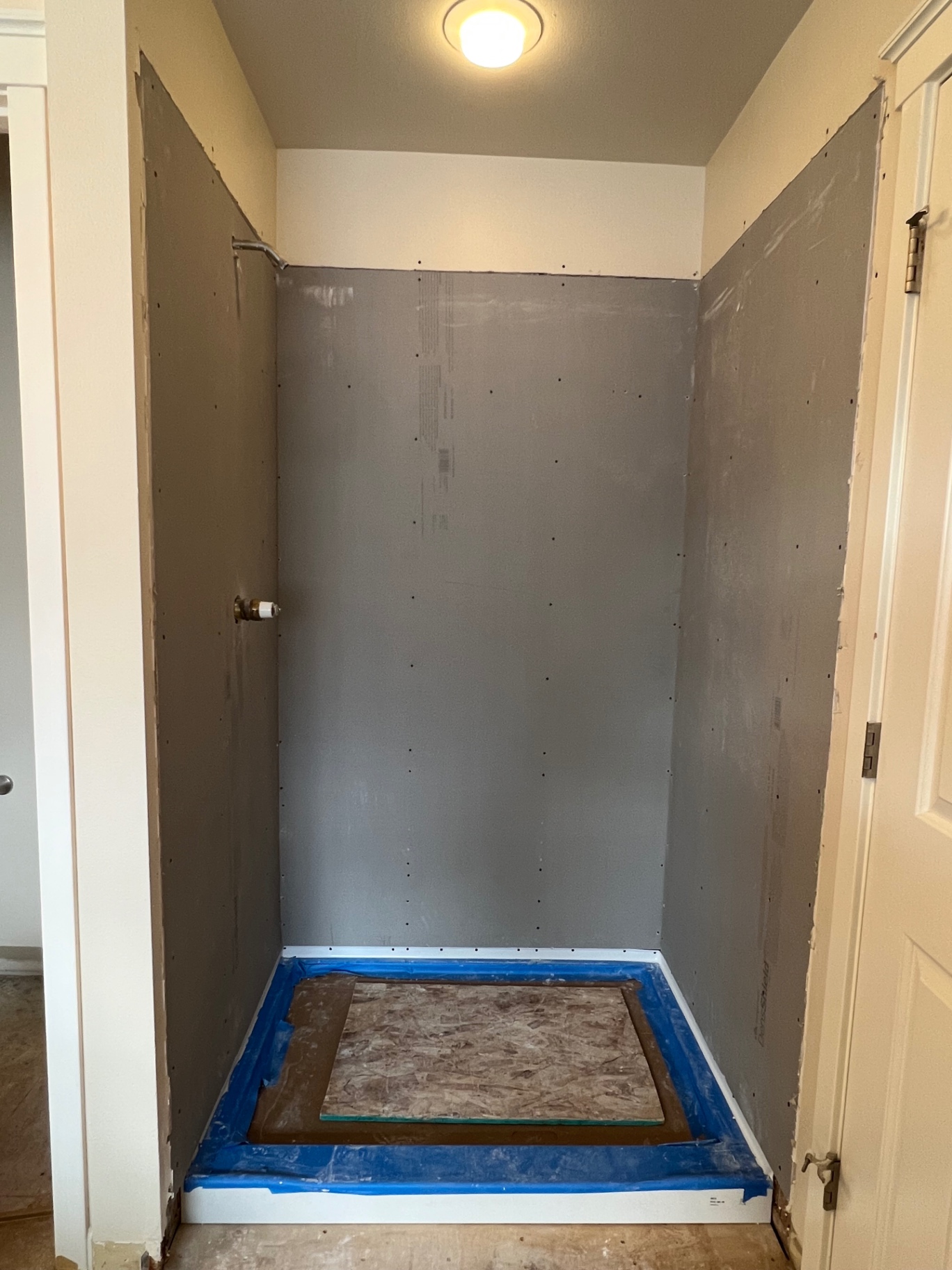
- Modern waterproofing systems. Sheet and liquid membranes (like Schluter Kerdi or RedGard) waterproof the shower behind the tile. This is the single biggest upgrade over the old cement-board-and-felt method, and it is what actually prevents leaks and mold.
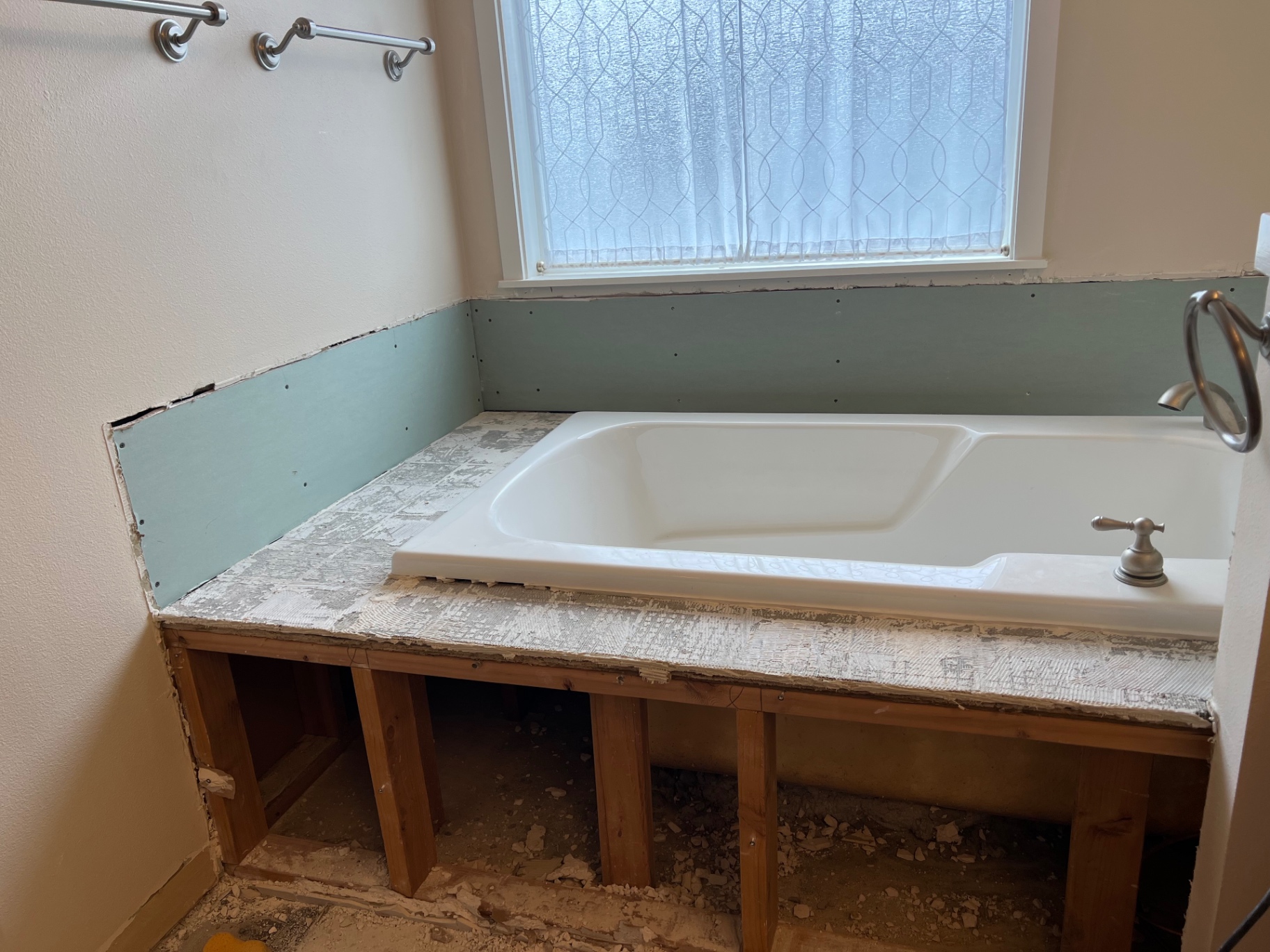
- Uncoupling membranes. A decoupling layer (such as Ditra) between the subfloor and tile absorbs movement, so tile and grout do not crack over concrete slabs or older wood subfloors — common in Seattle and Tacoma homes.
- Tile leveling systems. Clips and wedges hold large tiles perfectly flush while the thinset cures, eliminating lippage (uneven edges). Essential for the large-format trend.
- Epoxy and urethane grout. Stain-proof and maintenance-free — no sealing, ever. Worth the upcharge in any shower or kitchen.
- Electric radiant heated floors. A thin heating mat under the tile turns a cold floor into a warm one. In our climate it earns its keep most of the year, and it is dramatically cheaper to add while the floor is already open — see our heated bathroom floors: cost and running costs breakdown.
- Rectified tile with thin grout lines. Precision-cut edges allow very thin grout lines for that clean, modern, seamless look.
When you get an estimate, ask what waterproofing and uncoupling systems the installer uses. If the answer is vague, keep looking.
Pro tips and lifehacks most homeowners do not hear
- Order 10–15% extra. You need it for cuts, and for matching repairs years later — dye lots change, and the exact tile may be discontinued.
- Grout color changes everything. Tonal grout disappears for a seamless look; a contrasting color turns the pattern into the feature.
- Pick porcelain for low maintenance. It resists water and stains and does not need sealing. If you love natural stone, budget for sealing and resealing.
- Big tiles make small rooms feel bigger — and fewer grout lines mean less scrubbing.
- Add heated floors now, not later. You will never get a cheaper opportunity than when the floor is already torn up.
- Matte and textured floors are safer. They hide water spots and are less slippery than polished tile.
- Plan the layout first. Where the cuts land, and where the focal point sits, is the number-one thing that separates a professional job from a DIY one.
Which trends actually last — and which to skip
Not every trend deserves a permanent spot. Large-format tile, stone-look porcelain, warm neutrals, and tonal grout tend to age well. Bolder moves — a saturated jewel-tone or a busy patterned floor — are best kept to a powder room or a single accent, where they are cheaper to change later. The goal is a bathroom or kitchen that feels current now and still looks intentional in a decade. See our bathroom remodeling cost guide and kitchen remodeling cost guide for Seattle, Tacoma, and Bellevue.
Ready to tile your Seattle or Tacoma project?
NorthWest Home Remodel Pros installs tile with modern waterproofing and uncoupling systems across King and Pierce counties. Text or call +1 (206) 536-8410 for a free on-site estimate, or send us your project details and we will reply the same day.
Quick answers: 2026 Tile Trends & Installation Tips (Seattle)
These 6 answers cover the questions Seattle, Bellevue, Tacoma and Kent homeowners ask most about this project — cost ranges, permits, and how long the work takes; here, a tile-only scope is typically 1–3 weeks on site.
- What is the biggest tile trend in 2026?
- Large-format porcelain tile leads 2026 — big panels with fewer grout lines that make a room feel larger and are easier to clean. Alongside it are warm, earthy palettes, handmade zellige, textured and fluted surfaces, and natural-stone-look porcelain. The overall direction is away from flat, cool gray and toward warmth, texture, and character.
- Is large-format tile better than regular tile?
- For a modern, seamless look, yes — fewer grout lines mean less cleaning and a room that feels bigger. But large tiles are less forgiving. They need a very flat substrate and a tile leveling system to avoid lippage (uneven edges), so the quality of the installation matters even more than with small tile.
- What grout should I use, and do I need to seal it?
- Epoxy or urethane grout is stain-resistant and does not need sealing, which makes it worth the upcharge in showers and kitchens. Standard cement grout is cheaper but should be sealed and resealed. For color, a tone that matches the tile creates a seamless look, while a contrasting color highlights the pattern.
- Porcelain, ceramic, or natural stone — which is best?
- Porcelain is the densest and most water- and stain-resistant, and it needs the least maintenance, which is why it wins for wet or high-traffic areas. Ceramic is softer and less expensive. Natural stone like marble or travertine is beautiful but porous — it has to be sealed and resealed. Porcelain that mimics stone gives you the look with far less upkeep.
- Can you tile over existing tile or flooring?
- Sometimes. With the right preparation and an uncoupling membrane, tiling over a sound existing surface can save demolition time and cost. But it depends on the condition of what is underneath, the added height, and the substrate, so it needs to be assessed in person before committing.
- Do heated floors under tile cost a lot?
- Electric radiant floor heating is one of the most affordable comfort upgrades in a tile project, especially because the best time to add it is while the floor is already open. For a typical bathroom it is usually a few hundred to a couple thousand dollars in materials plus installation — and in the Pacific Northwest, warm floors get used most of the year.
Get a fixed price for your Seattle or Tacoma project
Four fields, about 30 seconds. We reply within 2 business hours, Monday–Friday 8am–5pm PT, and we work across King and Pierce counties — Seattle, Bellevue, Issaquah, Renton, Kent, Tacoma and the towns between them. Bathroom remodels here run $20,000–$50,000 over 4–8 weeks and tub-to-shower conversions $8,000–$30,000 over 1–3 weeks; your written estimate prices your actual room, with the exclusions spelled out.